
The Case for Values-Based Transformation in Ghana
“Everything rises and falls on leadership, and the most difficult person to lead is yourself.” — John C. Maxwell
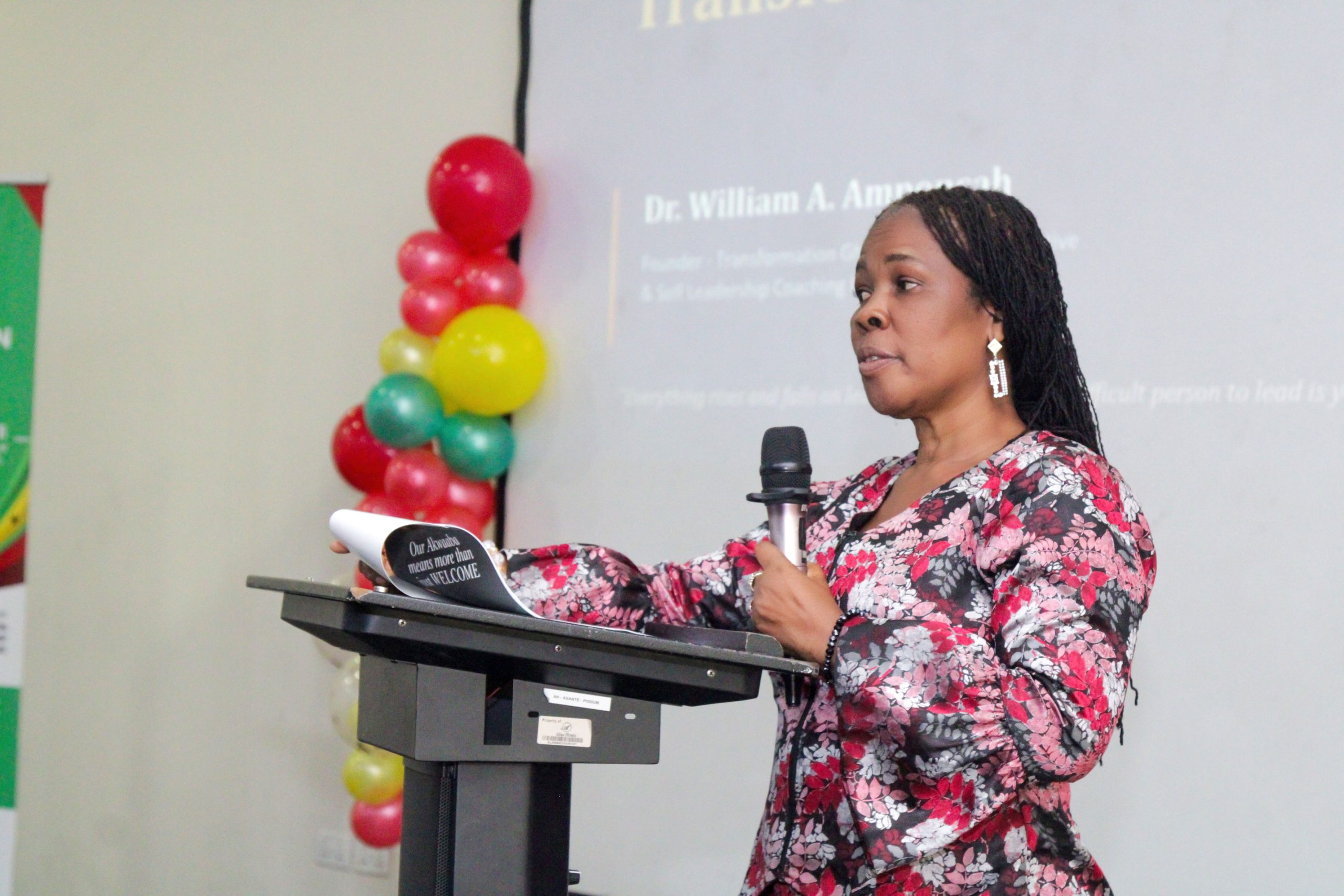
The Transformation Ghana Leadership Initiative (TGLI), founded by Dr. William A. Amponsah, has officially launched with a clear and urgent message: Ghana’s greatest challenge is not a shortage of resources, but a shortage of values.
The Paradox
Ghana is rich in gold, diamonds, bauxite, manganese, iron, oil, gas, lithium, and recently discovered nickel deposits. Yet the country remains relatively poor, while many nations with far fewer resources are wealthier. The difference usually lies in institutional integrity and cultural values. Natural resources create opportunity — but values determine whether that opportunity is leveraged into prosperity or stifled by systemic corruption.
The pattern is familiar: resources are discovered, political and business elites capture control, weak institutions allow misuse, corruption spreads, citizens lose trust, and economic growth stalls. Nigeria’s oil wealth alongside deep corruption challenges, contrasted with Norway’s oil wealth alongside strong institutions and transparency, illustrates the point — the difference is not the resource, but the values system that governs leadership decisions.
The Values Infrastructure
Every nation rests on three layers: natural resources, institutions (government, education, courts, regulations, contracts), and values culture — integrity, accountability, responsibility, patriotic service, and ethical decision-making. Values culture is the load-bearing layer: if it collapses, the other two layers fail. This insight aligns closely with the Maxwell Transformation Principles and Processes.
The National (Leadership) Prosperity Equation
National Prosperity = Resources × Institutions × Values. If values equal zero, the whole equation collapses. Corruption is not primarily a political problem — it is a values problem expressed through leadership. When values change, leaders become accountable, citizens expect transparency, and institutions begin to function properly.
Our Vision
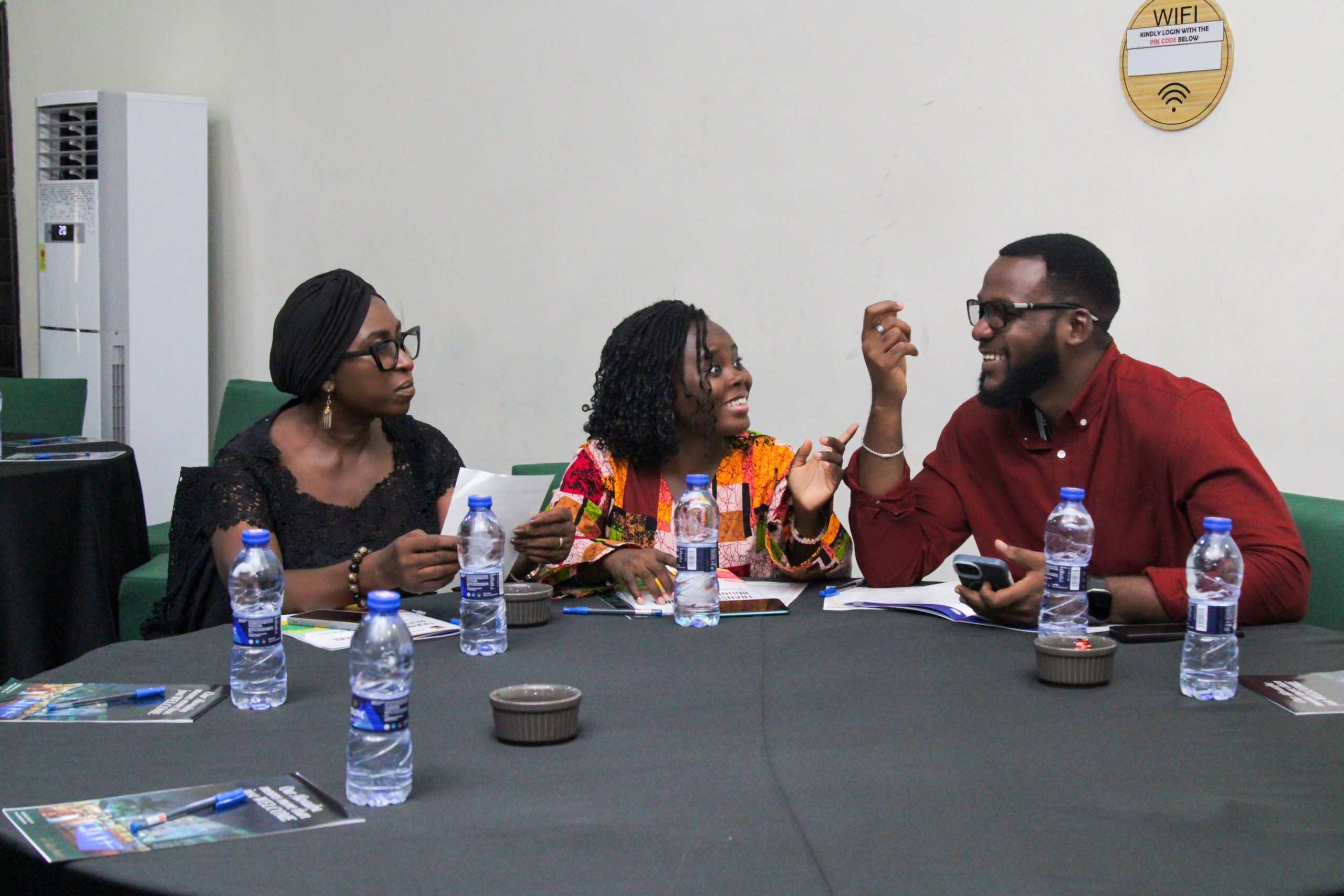
A values-based leadership movement that catalyzes prosperity for all Ghanaians and the nation’s self-determination. Our call to action is to make a massive effort to build a strong leadership culture, foundation, and bench for Ghana — starting with Values Roundtables for youth (ages 15–35) and small to medium-sized businesses (100–200 employees).
Our Strategic Pivot: The Middle-Out Approach
Rather than waiting on political gatekeeping or top-down reform, TGLI is pursuing a middle-out strategy that demonstrates grassroots appetite for transformation. The target is 35,000 active participants in Values Roundtables within two years — about 0.1% of Ghana’s population of 35 million — scaling eventually toward 10% (3.5 million people) to reach a national tipping point.
Methodology: Anchored in Maxwell Leadership Values
Six Maxwell “Change Your World” values — Hope, Integrity, Forgiveness, Valuing Every Person, Listening, and Multiplication — will be facilitated during Values Roundtables by trained facilitators. As the Initiative puts it: “Economic transformation leading to prosperity begins with personal values transformation.” This is why the approach focuses on small transformation groups.
Implementation Ecosystem
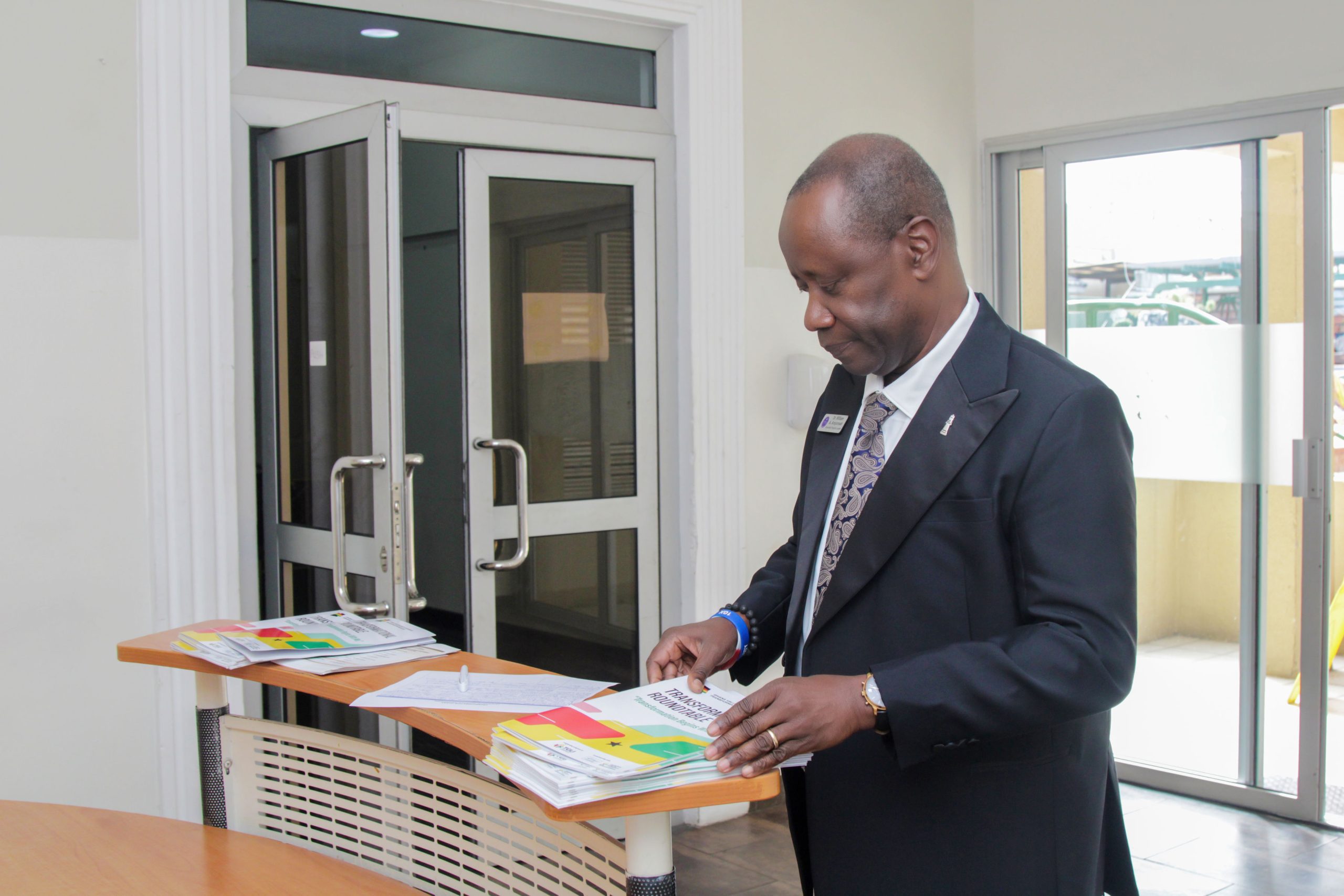
TGLI’s Champions include business leaders, church leaders, former ministers of state, and educators who will help facilitate values training free of charge, printed locally in booklets, piloted in Senior High Schools, tertiary institutions, and select SMEs. Key partnerships include:
- Business Pilot — with the Association of Ghana Industries (AGI), tracking ROI, theft, absenteeism, and insubordination before and after values facilitation.
- Education Pilot — SHS and university surveys tracking ethical conduct and character outcomes.
- National Youth Authority (NYA) Pilot — identifying at-risk youth for values facilitation and additional leadership training.
- Faith Community Pilots — collaborating with Catholic, other Christian, and other faith youth groups.
- Volunteer Trainers — recruiting and equipping volunteers to facilitate Values Roundtables.
The Bottom-Up Transformation Strategy
Top-down reform alone rarely works, but values movements spread socially — as seen historically in Singapore’s anti-corruption reforms and Rwanda’s governance reforms, both of which combined leadership commitment, culture change, and accountability systems. Ghana does not suffer from a resource shortage; Ghana suffers from a leadership and values deficiency. When values rise, corruption falls, trust grows, investment increases, and prosperity follows.
The 5 Pillars of Prosperity
Ghana can be a nation of wealth where every person is valued, every person is free to make choices, every person prospers, every person thrives in community, and every person has a better future.
The mindset shift required is simple but profound: rather than waiting for others to change first, each person commits to changing themselves and helping others become better — so the entire community and nation improves. As people forgive past grievances, exercise integrity, and listen deeply to understand one another, they add value to everyone and multiply impact.
From Resource Wealth to Values Wealth
“National Transformation Begins with Personal Transformation.” As John C. Maxwell often says, “Leadership is influence — nothing more, nothing less.” By being an Insider, Volunteer, and Champion of this movement, you equip yourself to grow that influence — not just for your own benefit, but for the benefit of those you serve.
Great leadership isn’t a destination; it’s a commitment. Every day is an opportunity to learn, lead, and lift others. Thank you for saying yes to your growth — here’s to rising and leading well, for the prosperity of Ghana.
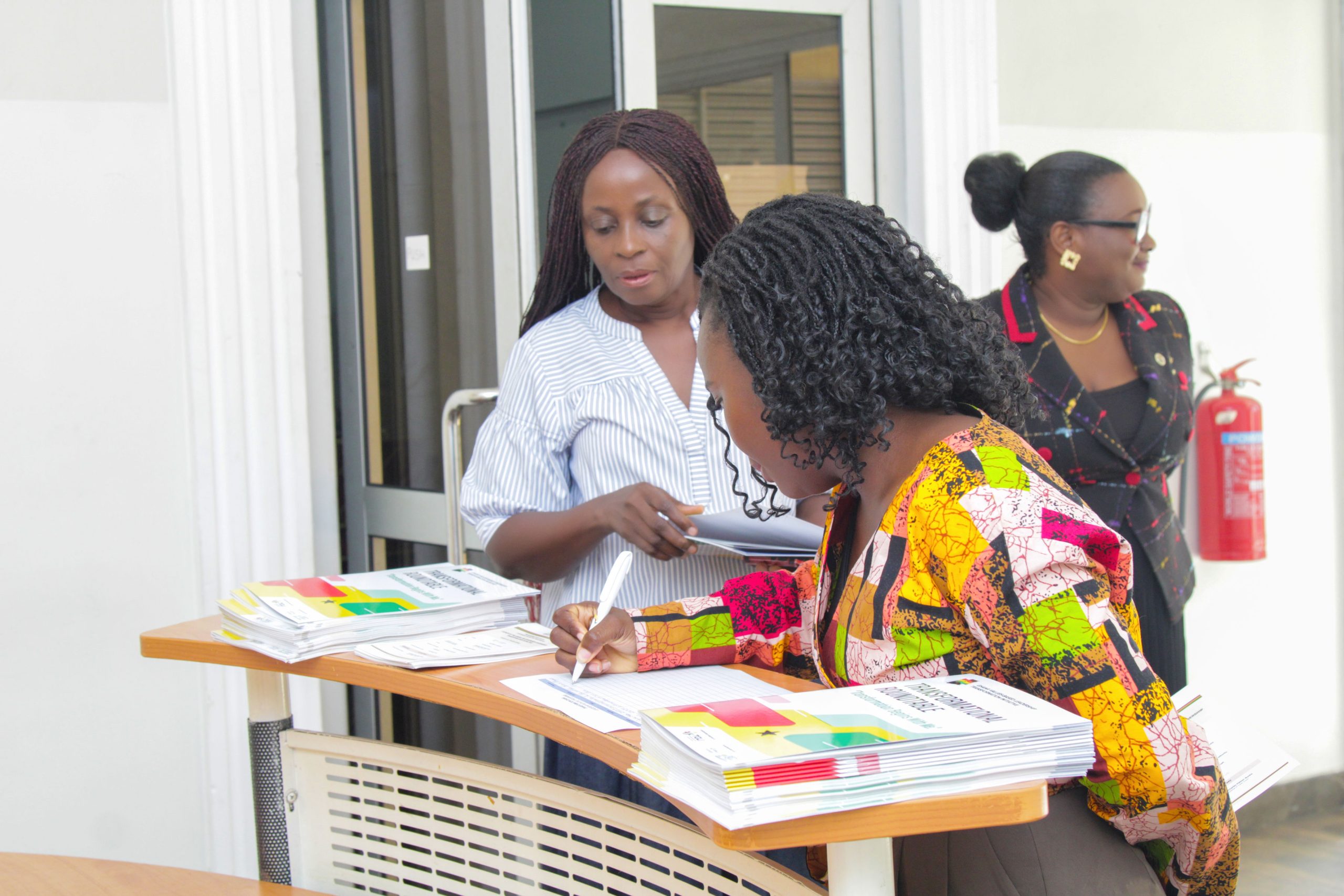
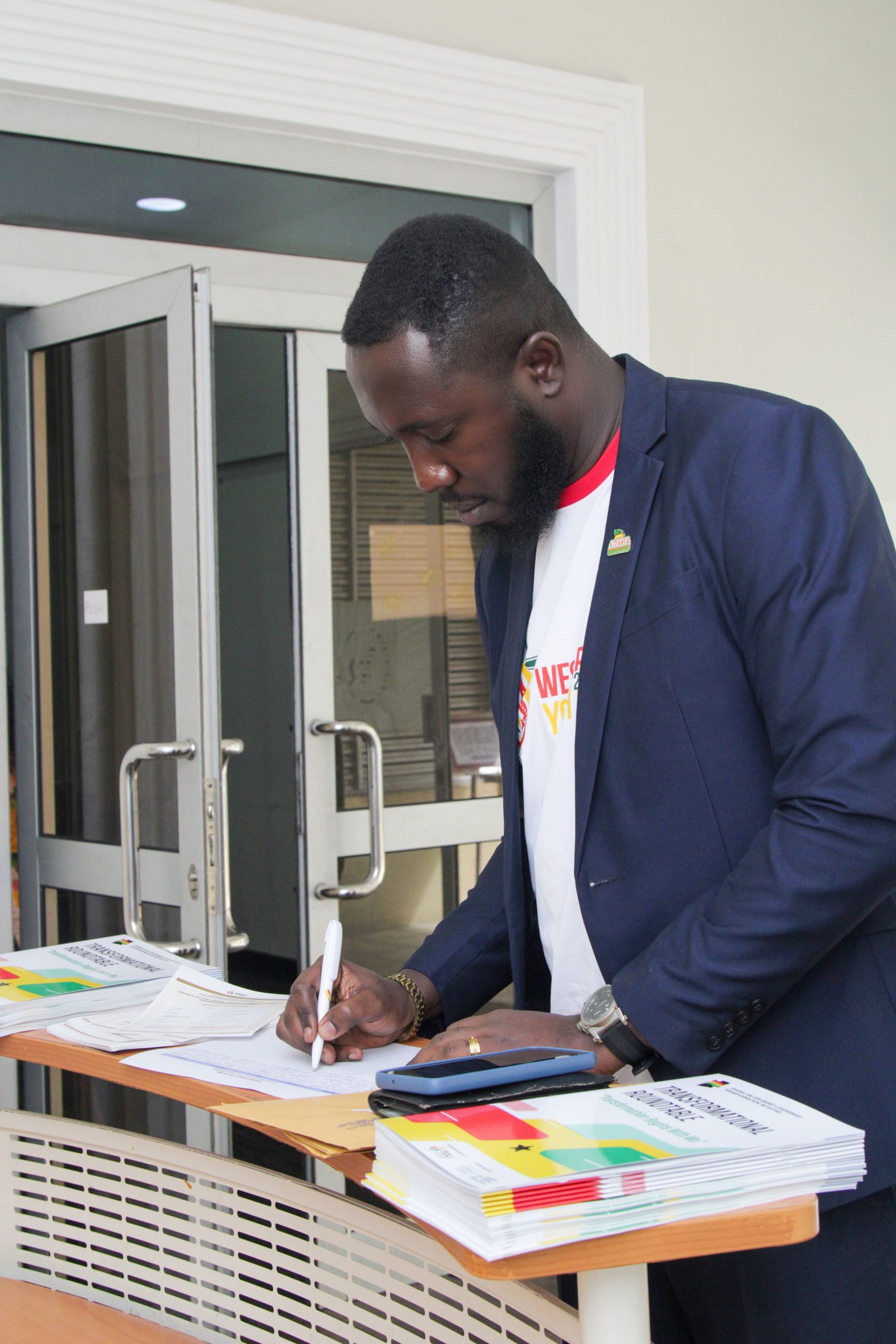
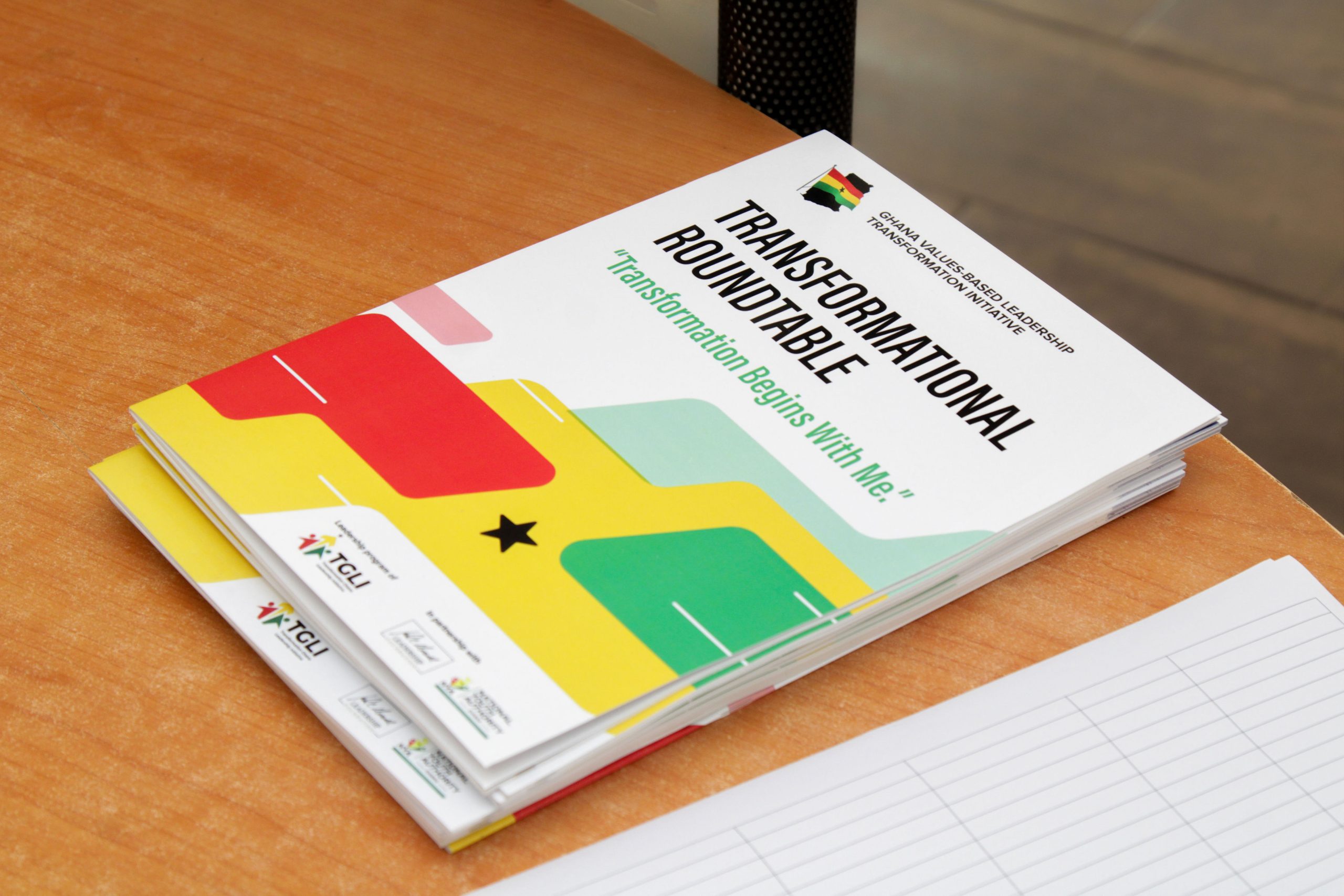
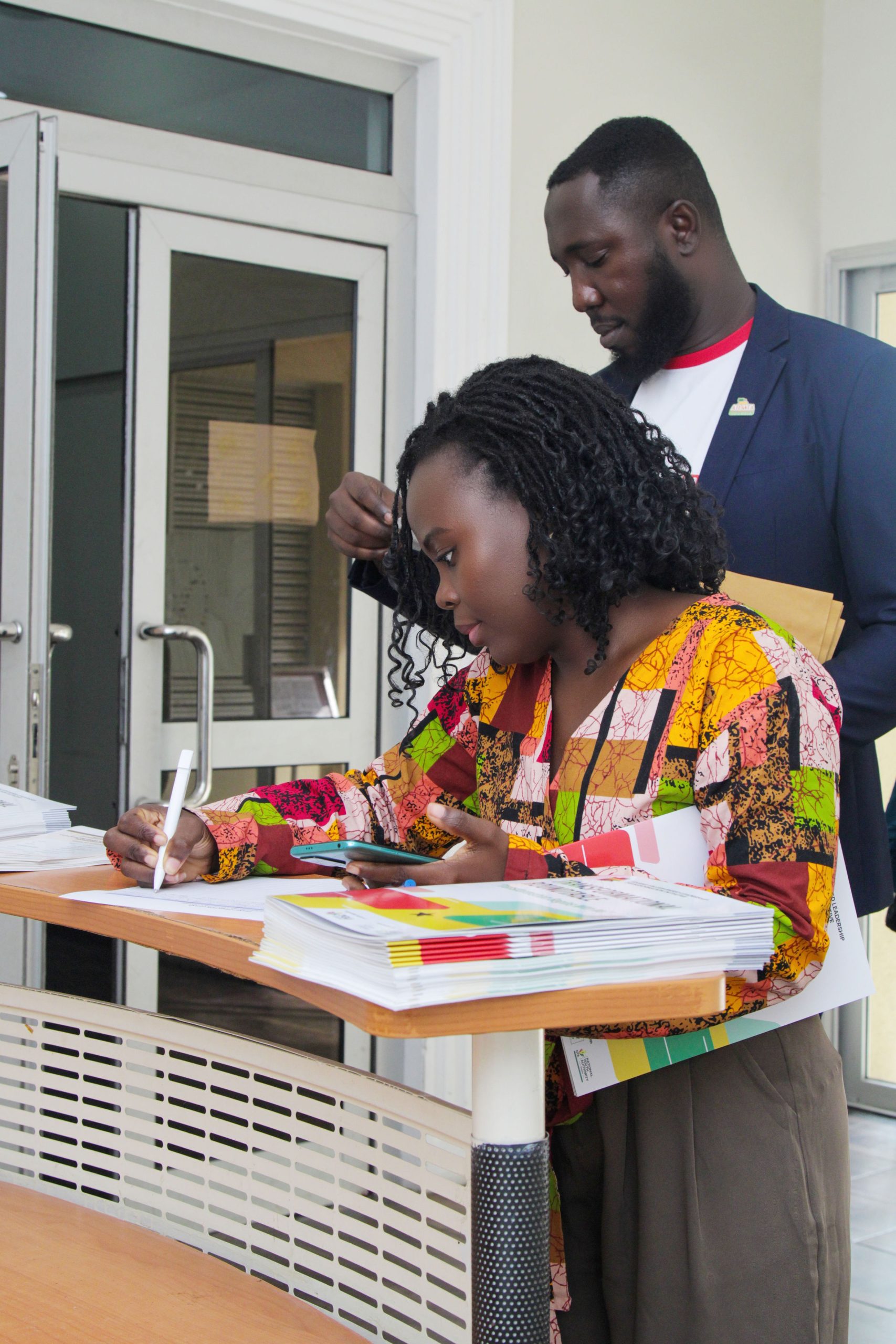
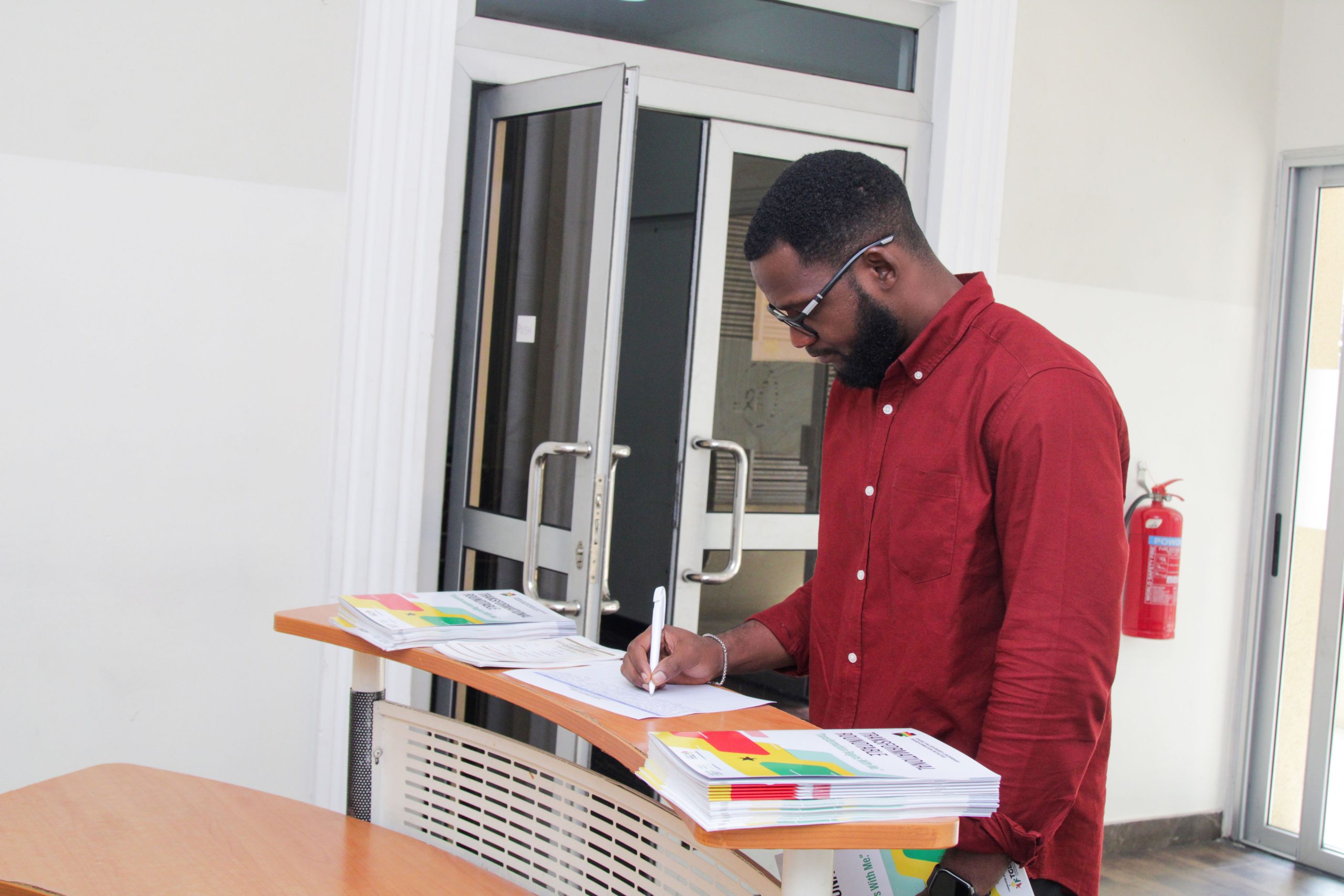
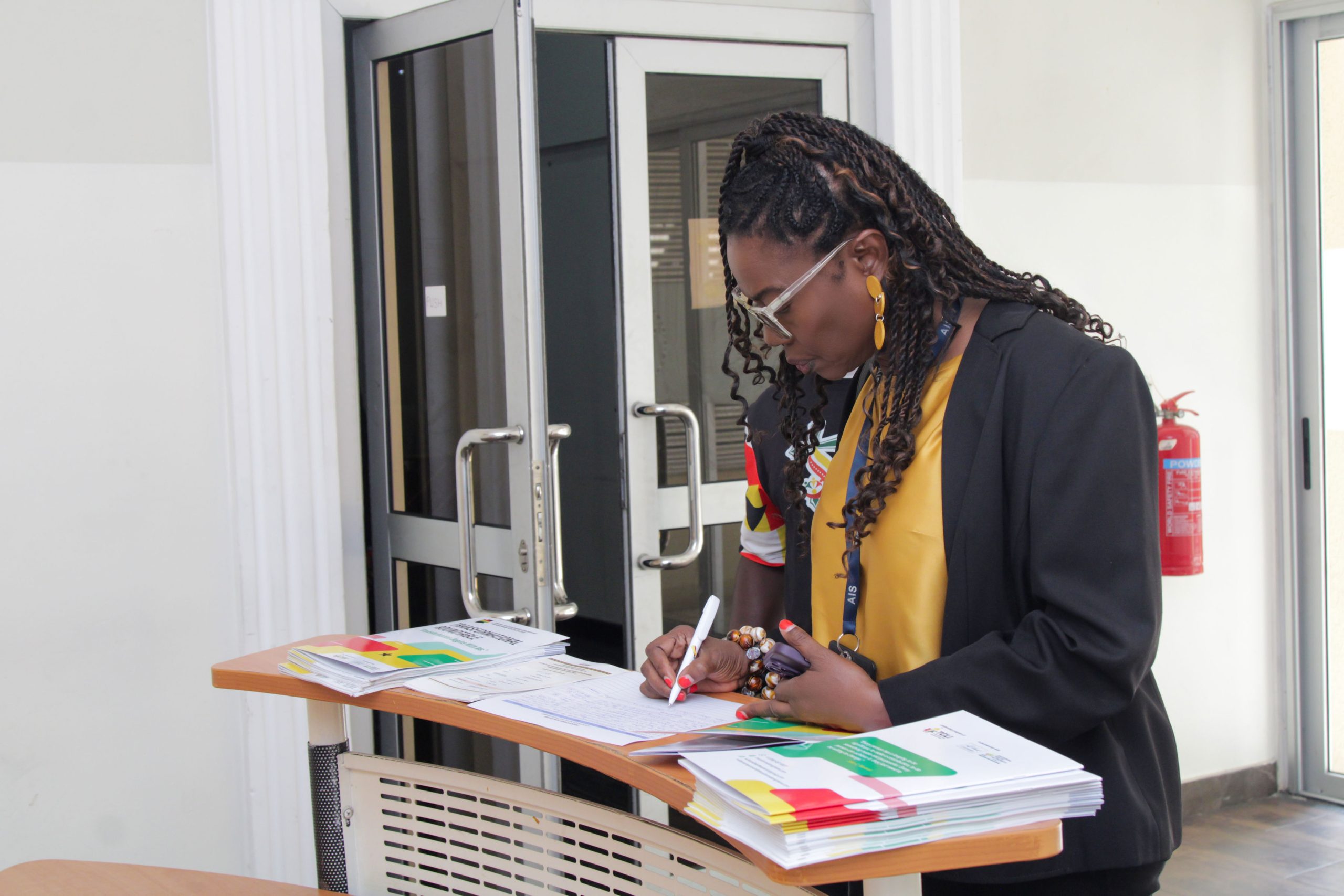
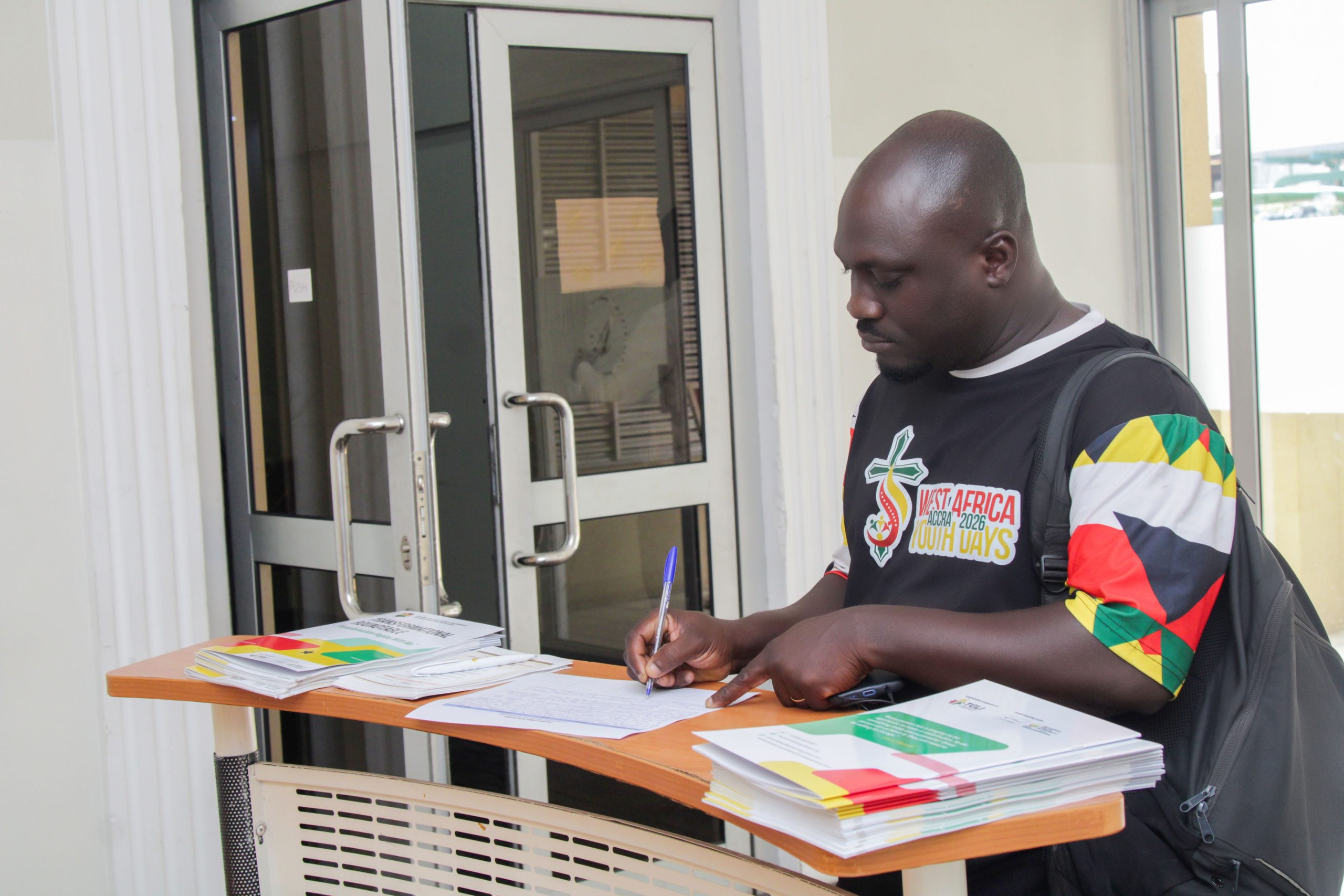
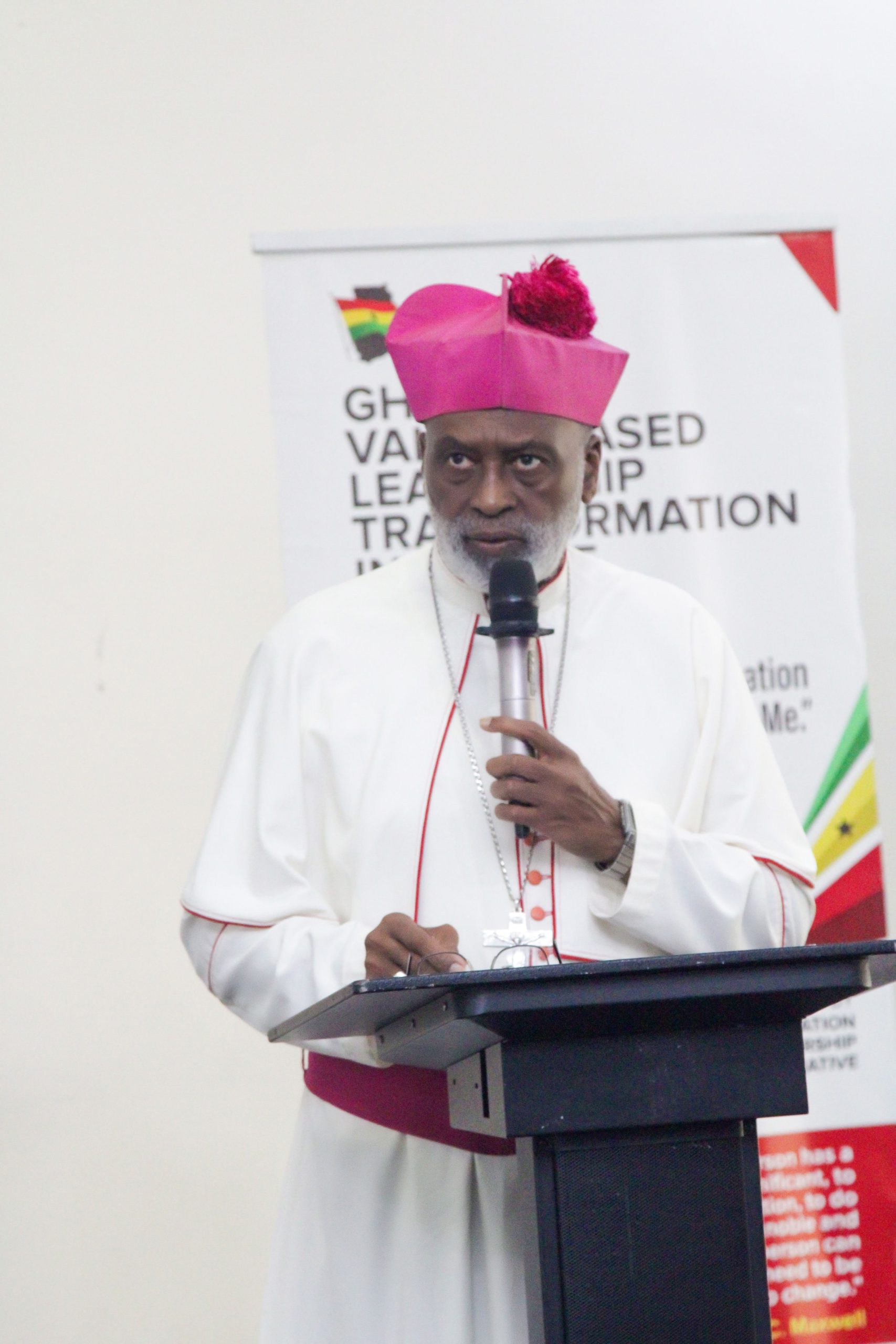
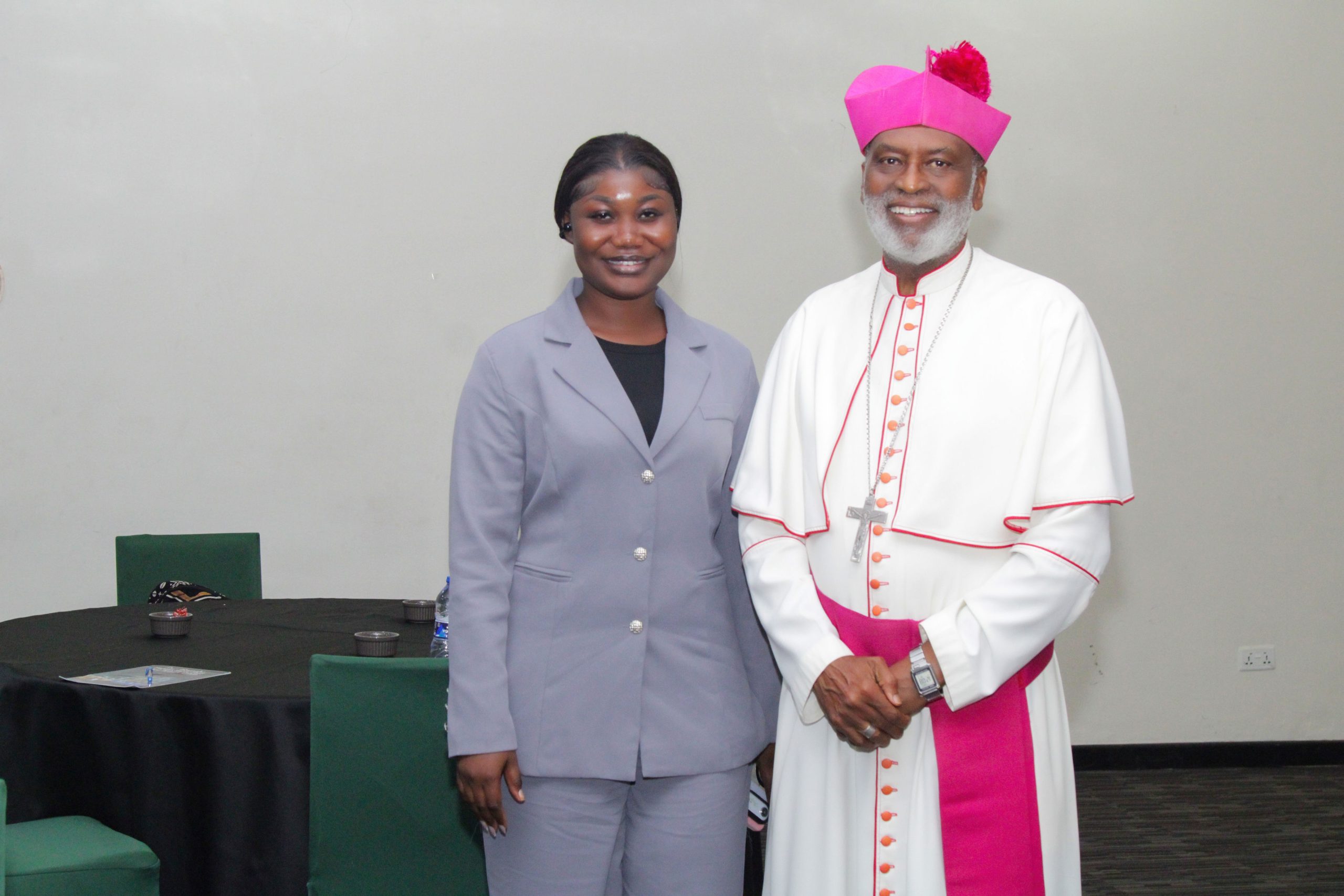
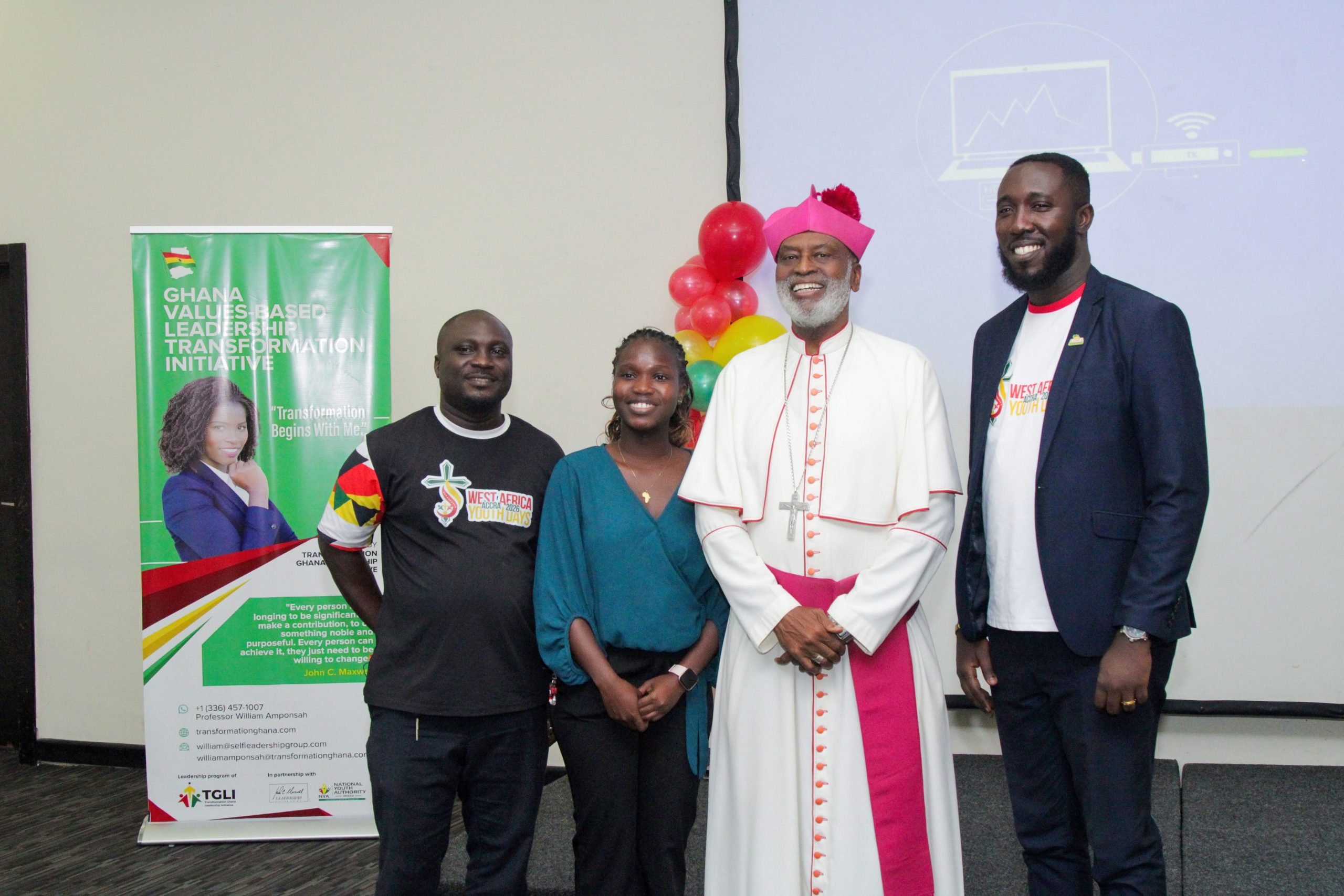
Highlights from the Launch

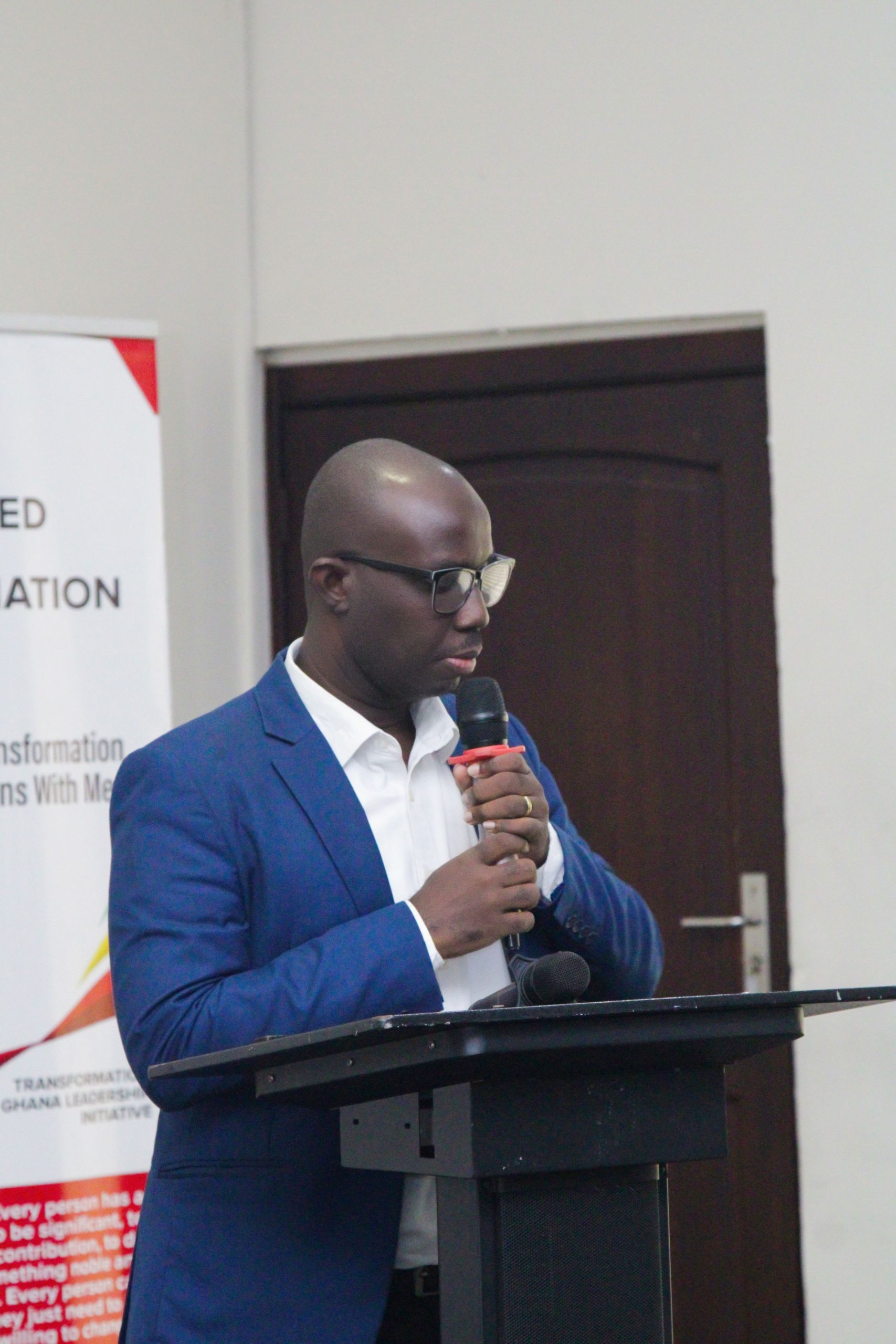
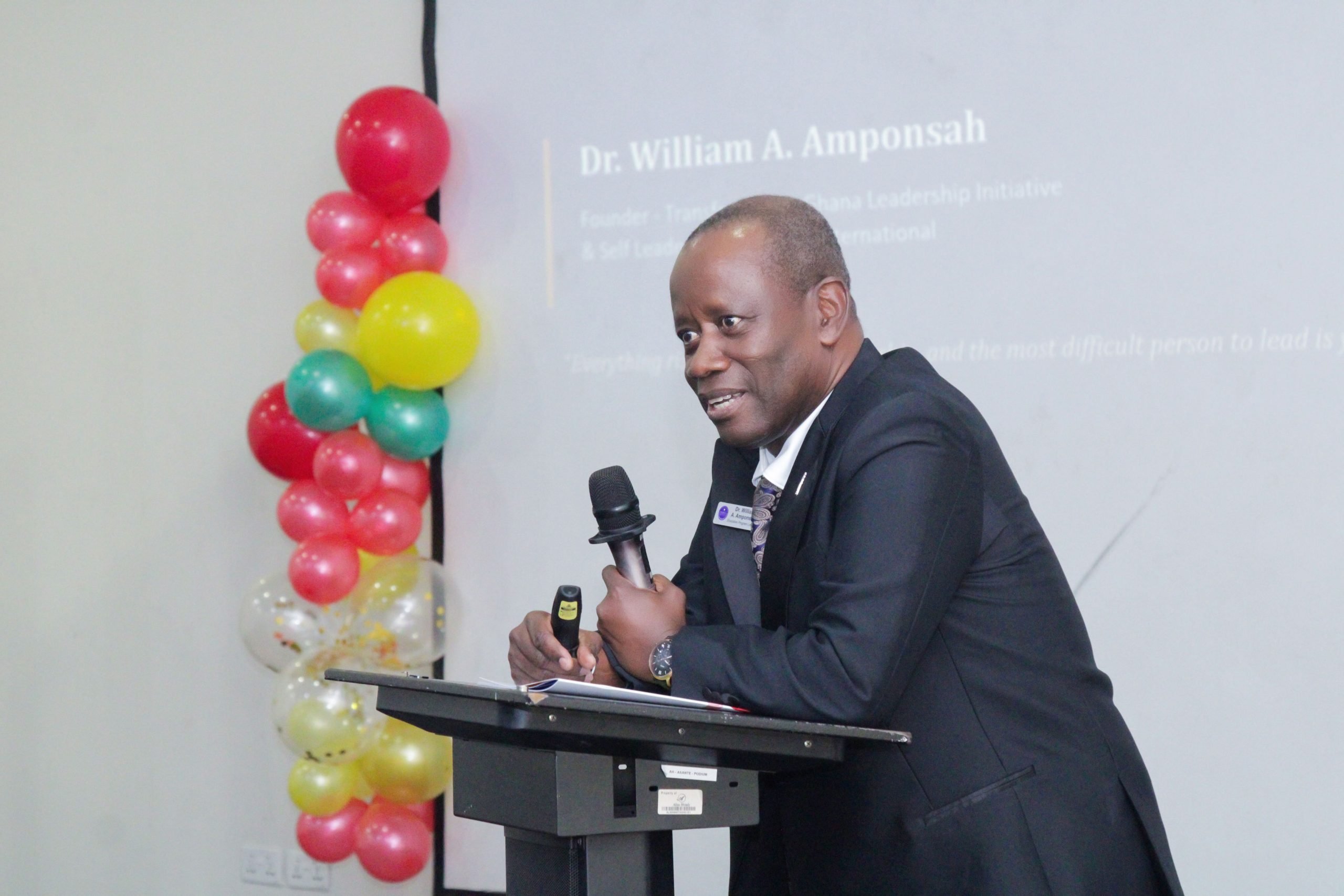
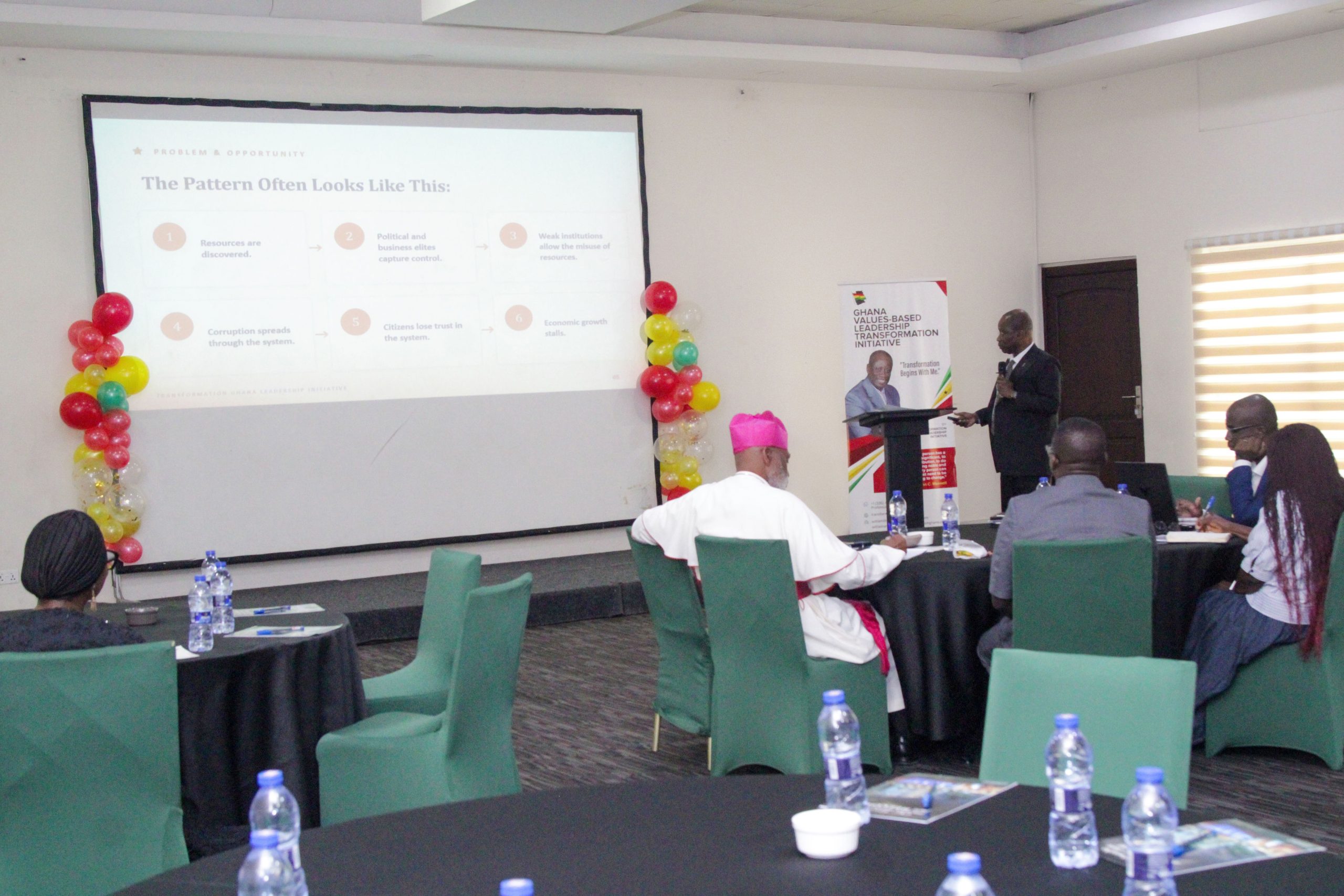
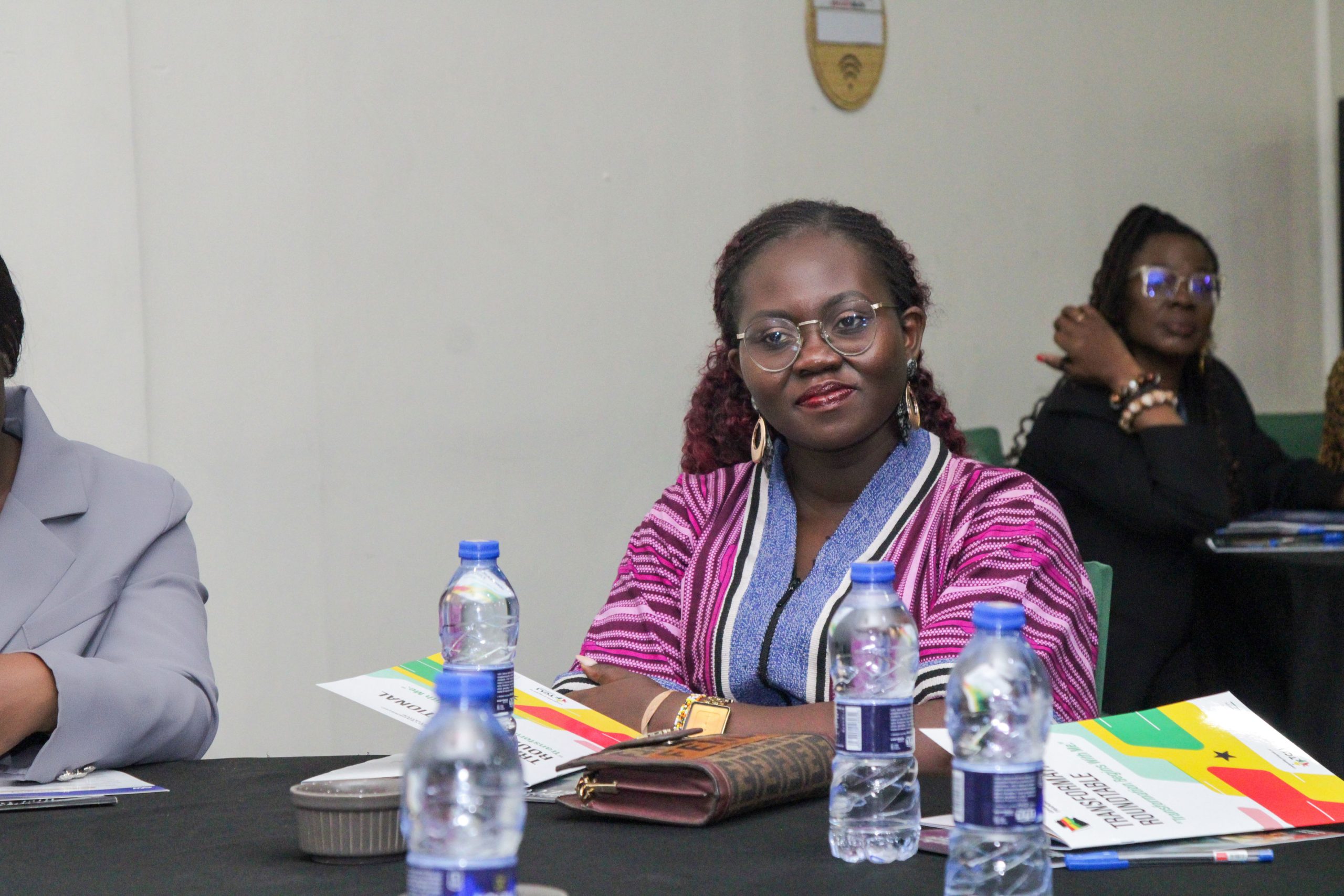
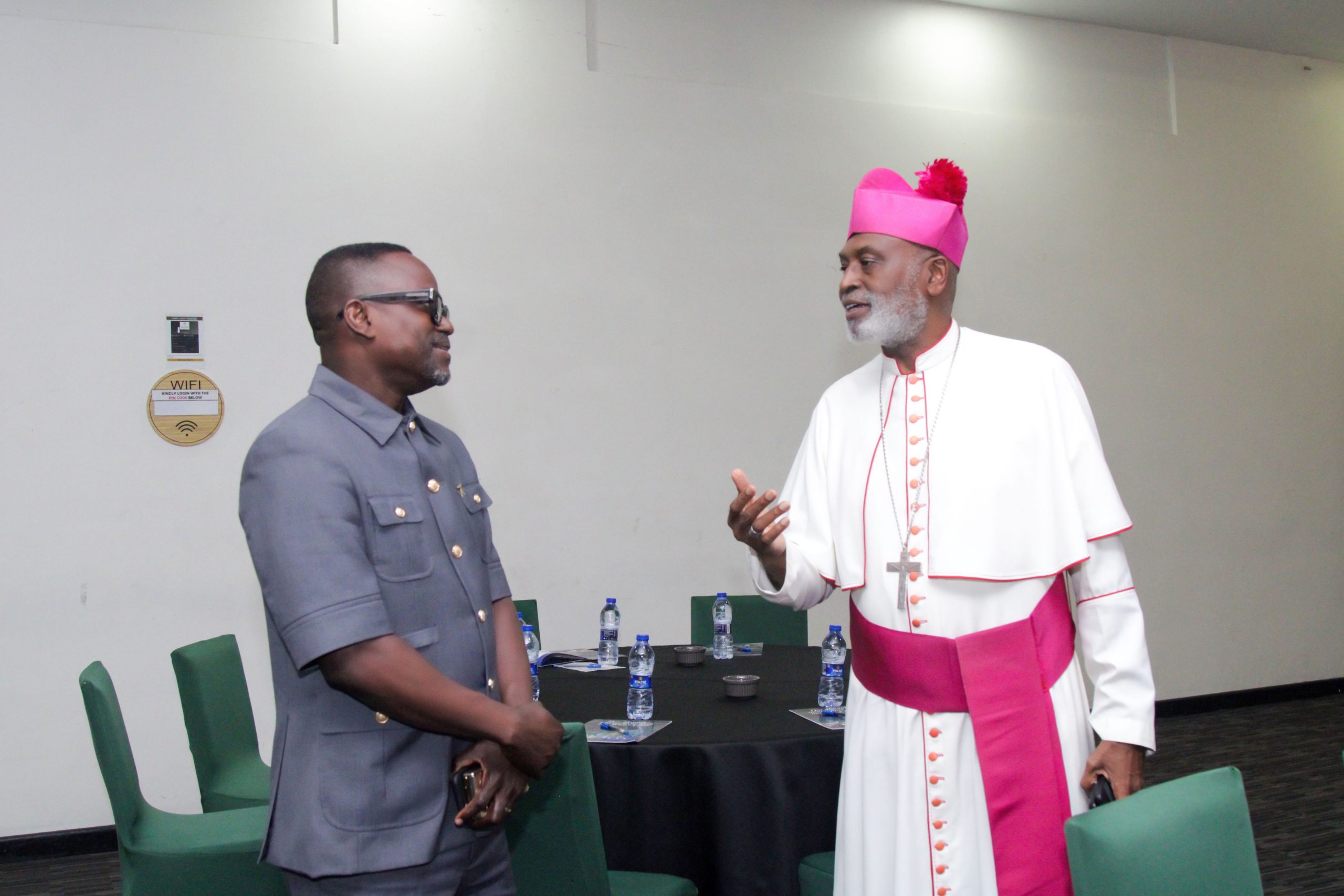
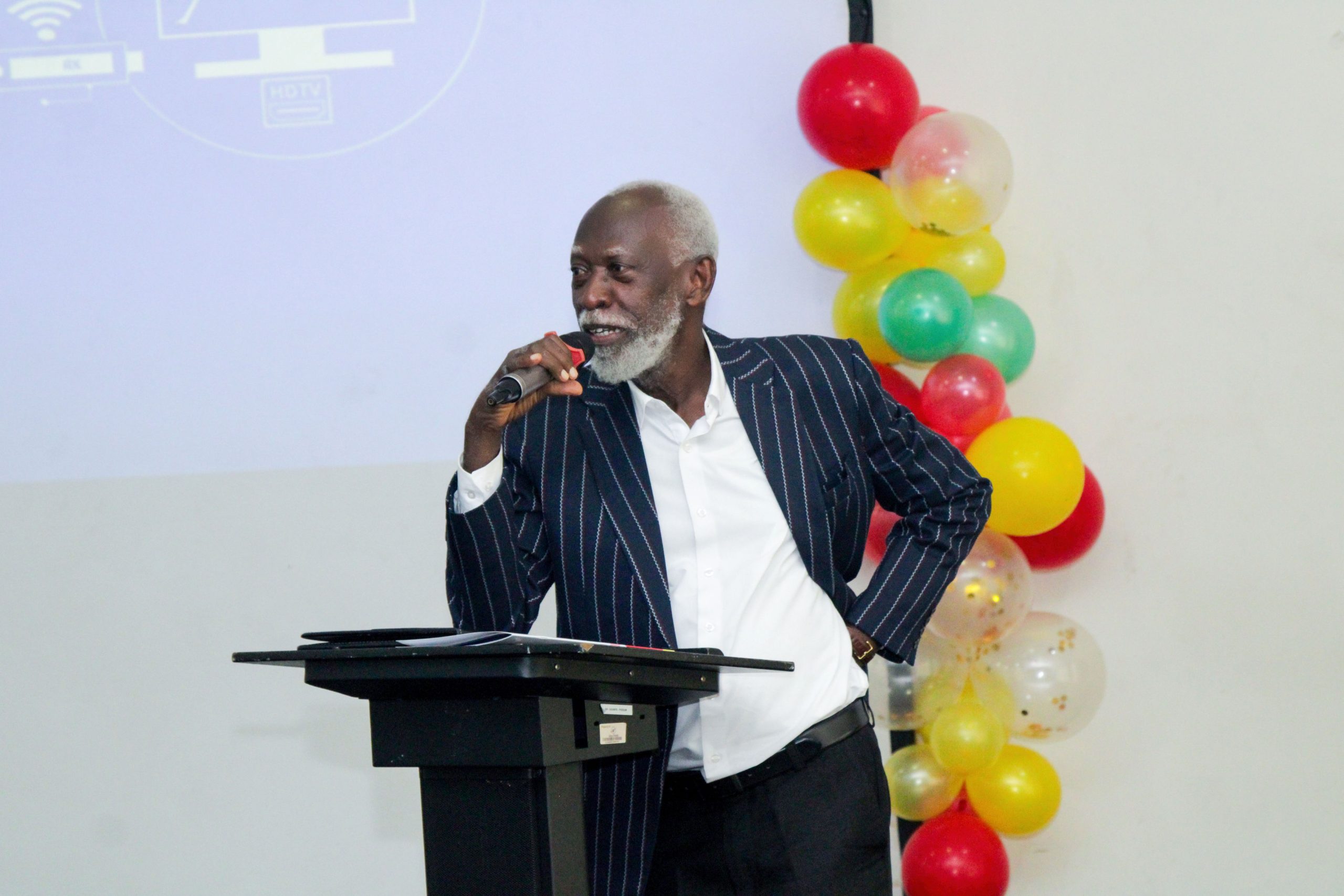
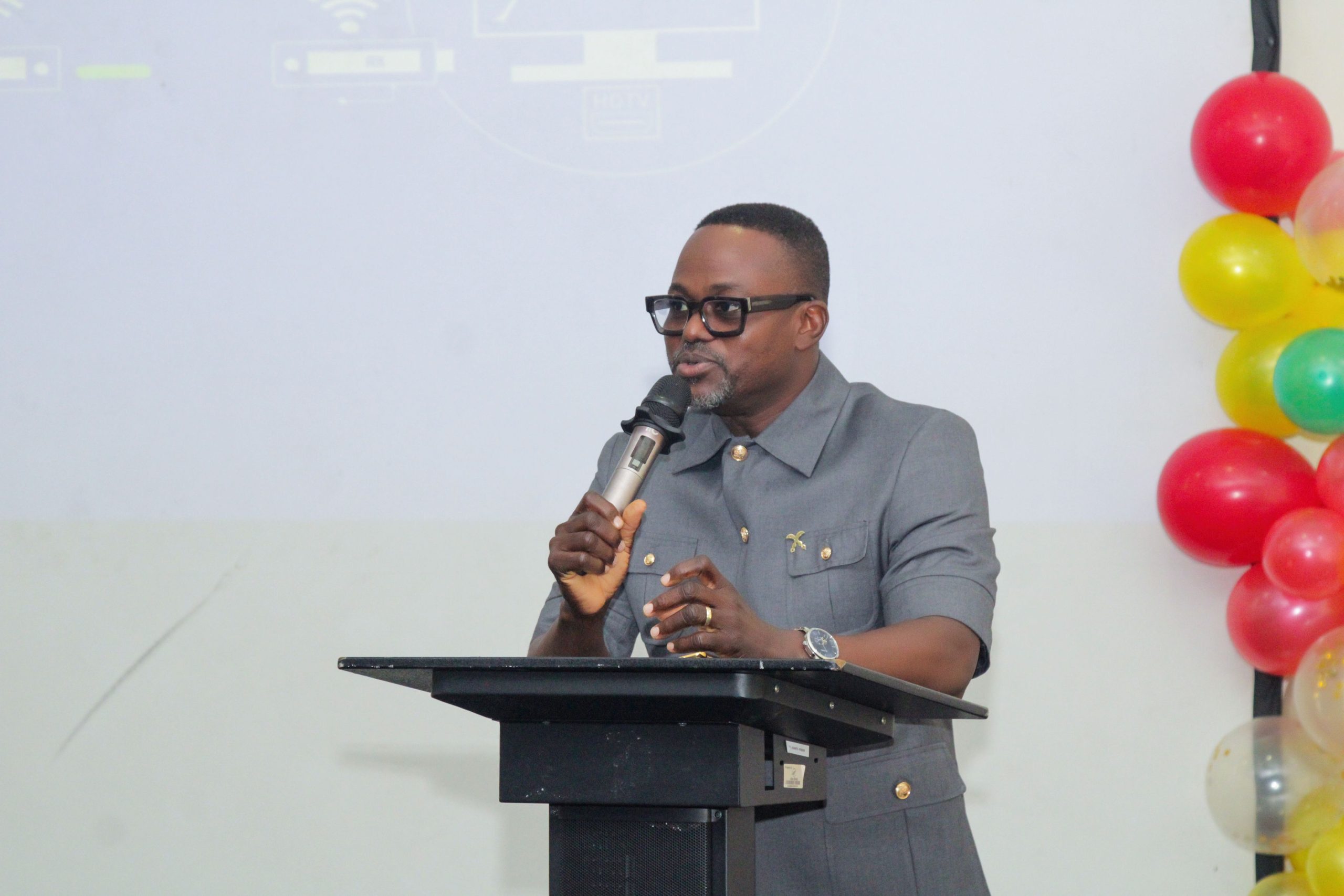

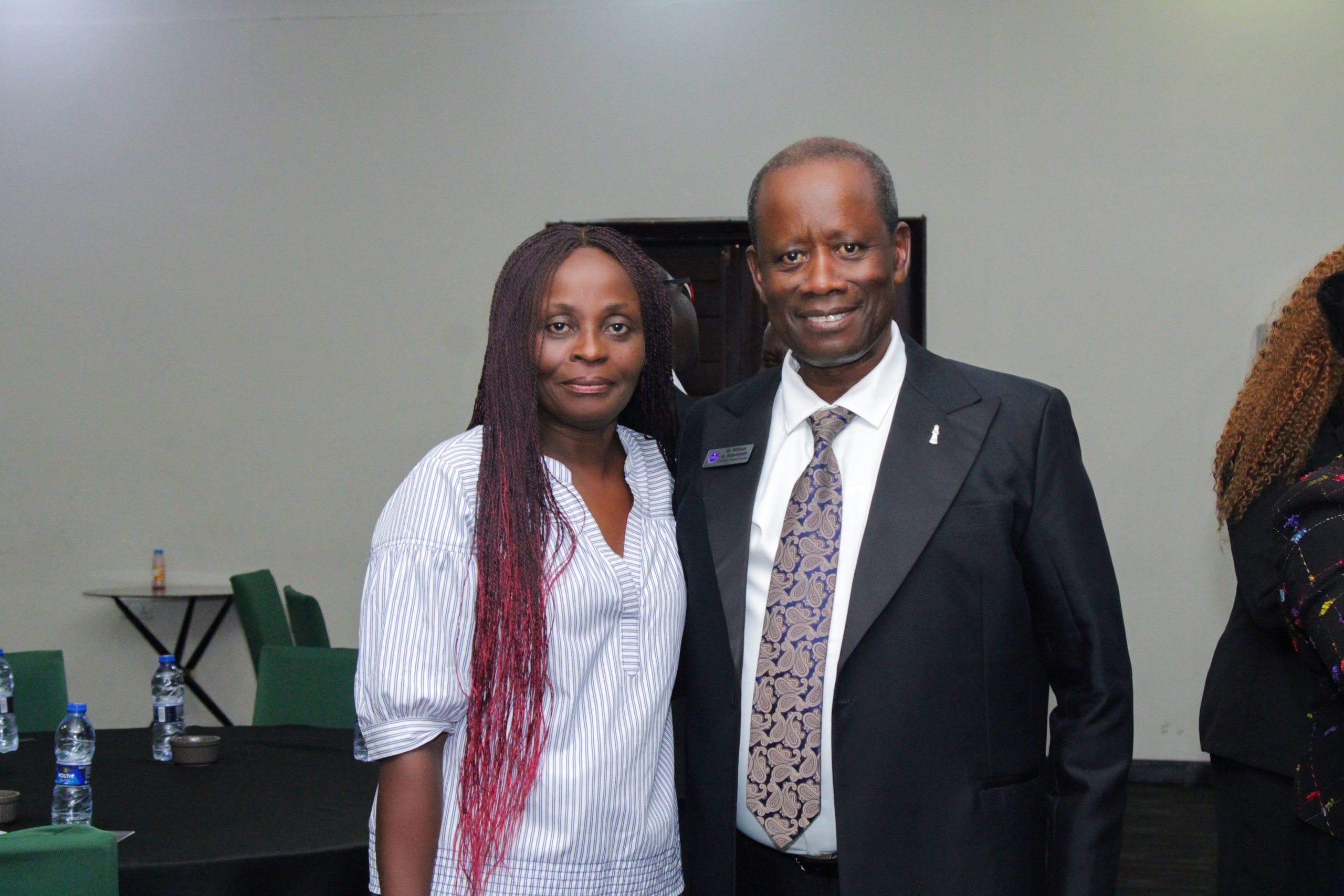
Get Involved with the Ghana Transformation Leadership Initiative